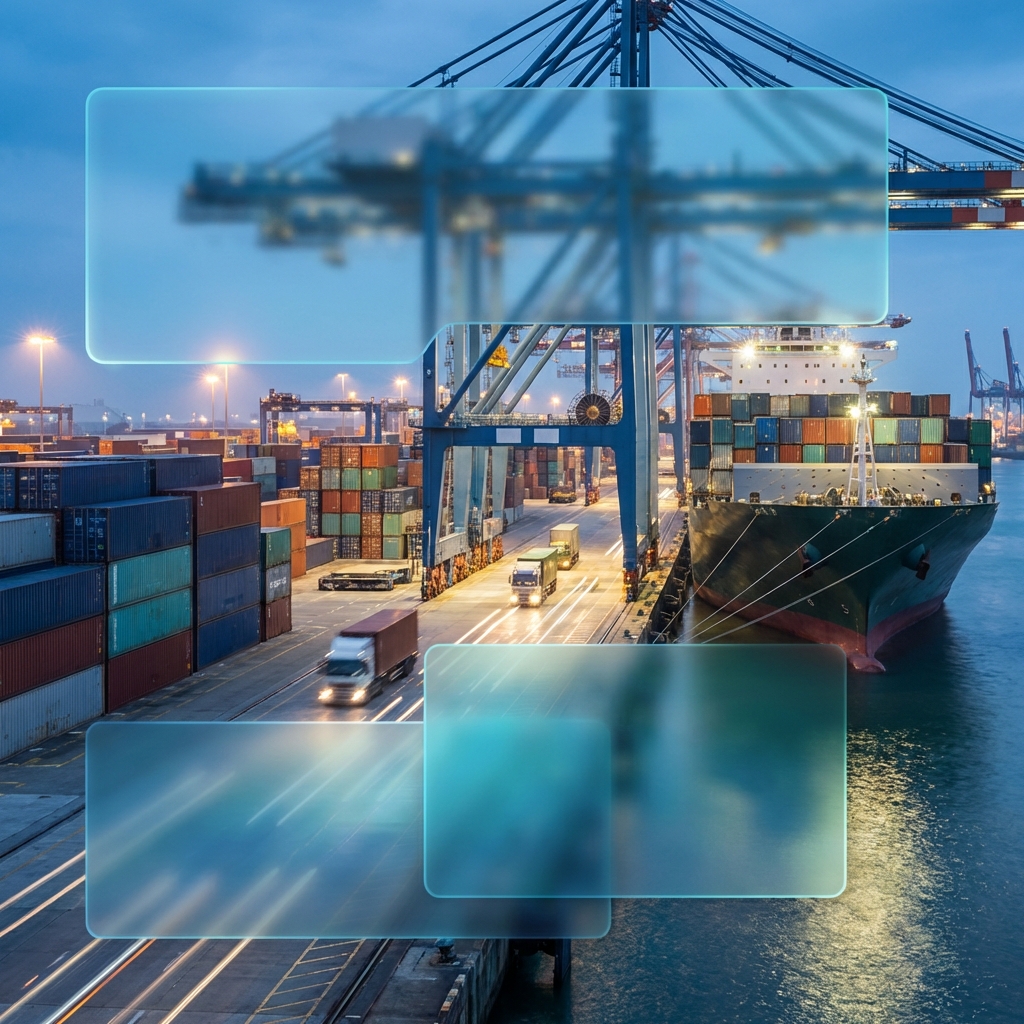
How to Import Goods From China to India Successfully: Step-by-Step Guide
Introduction
If you're looking to import goods from China to India, you've likely realized two things: the margins can be attractive, and the process is anything but plug-and-play. Between supplier hunting, compliance with Indian import laws, currency risks, freight choices, and customs clearance, there's a steep learning curve.
This isn't something you should approach casually. Importing is a legitimate business operation, not just a sourcing experiment. Whether you're a small D2C startup, a seasoned retailer expanding into new categories, or someone testing your first Amazon India listing, this guide is here to help you navigate the process like a practitioner, not just a reader of surface-level advice.
Step 1: Find the Right Product – And Make Sure India Wants It
Most first-time importers start by asking: What sells in China that I can bring to India cheaply? That's the wrong question. The better one is: What's in consistent demand in India that I can source better, faster, or cheaper from China than I can locally?
How to figure it out:
- Start with Indian demand, not Chinese supply. Look at what's trending on Amazon.in, Flipkart, and B2B aggregators like Udaan
- Go beyond trends. Use Google Trends, shopify sales data (via seller forums), and TradeIndia categories to validate demand
- Check if it's import-friendly. Visit the DGFT portal and CBIC notifications to see if the product is restricted, regulated, or requires special licenses
- Find the HS Code. Use the ICEGATE HS Code tool to identify the correct classification
Example: Say you want to import silicone bakeware. Sounds straightforward. But in India, food-contact items must comply with FSSAI and BIS norms, and customs officials may ask for certifications that most Chinese suppliers don't provide unless explicitly asked.
Real-world tip: Before you import, buy one unit from AliExpress or Temu and see how it performs in actual use.
Step 2: Find and Vet a Reliable Chinese Supplier – Don't Just Rely on Alibaba
A supplier is not just a vendor. They're your partner in the success or failure of your business. One bad shipment can ruin your brand reputation, burn your capital, or get stuck at customs indefinitely.
1. Start broad, then narrow
Use platforms like:
- Alibaba.com – Most popular, but full of middlemen
- 1688.com – The Chinese domestic version, cheaper but in Mandarin (use with a translator)
- Global Sources – Often more industrial or bulk-focused
- Canton Fair (Online or Offline) – The best way to meet vetted manufacturers directly
2. Vet before you trust
Any supplier worth their salt will:
- Share a Chinese business license you can verify on qcc.com (company registry)
- Provide past inspection or audit reports from third-party agencies like SGS, TÜV, or Intertek
- Offer a video factory tour, not just photos
- Be open to a WeChat or Zoom call to discuss terms
Warning: If they stall, insist on email-only, or demand full advance payment into a personal account, walk away.
3. Ask the right questions
- Can I speak with one of your existing Indian clients?
- Are you a manufacturer or a trading company?
- What's your typical defect rate?
- Do you have experience shipping to India?
Pro Tip: Use a sourcing agent (e.g., in Guangzhou or Yiwu) for your first 1–2 shipments.
Step 3: Finalize the Deal – Nail Down the Details Before You Pay a Rupee
Once you've picked a supplier, resist the urge to rush into placing an order. This is the phase where most cost overruns and misunderstandings creep in.
1. Get a Proforma Invoice — But Don't Stop There
The supplier should issue a Proforma Invoice (PI) that includes:
- Full product description with specifications and variants
- Unit price and total value
- Quantity
- Delivery timeline
- Incoterms (trade terms like FOB, CIF, etc.)
- Payment terms (e.g., 30% advance, 70% before shipment)
2. Choose the Right Incoterm
- FOB (Free on Board): You take over once the goods are loaded at the Chinese port
- CIF (Cost, Insurance, Freight): Supplier arranges freight and insurance till the Indian port
- DDP (Delivered Duty Paid): Supplier delivers to your doorstep, including all duties
Pro Insight: CIF is often a sweet spot for beginners at manageable risk.
3. Secure a Sales Contract (for Large Orders)
If your order value is over $2,000, ask for a basic Sales Contract.
4. Clarify Tolerances
- Quantity tolerance: +/- 5% is common in bulk orders
- Quality tolerance: Ask what's acceptable in defects (usually <2%)
- Packaging expectations: What kind of cartons? Individual polybags? Barcode labeling?
5. Set Up Pre-Shipment Inspection
Use firms like:
- Bureau Veritas
- Asia Inspection (QIMA)
- TÜV Rheinland
Inspections cost $150–$300 but can save you thousands in damaged or subpar goods.
Step 4: Freight and Logistics – Don't Just Book a Ship, Build a Plan
Freight isn't just about getting goods from A to B. It's about navigating bottlenecks, avoiding demurrage (penalties for delay), and syncing your shipment with customs prep and warehousing.
1. Choose Your Mode of Transport
A. Sea Freight (Cheapest for bulk):
- FCL (Full Container Load): Good for large orders
- LCL (Less than Container Load): Multiple shipments share space
B. Air Freight (Faster, expensive):
- Ideal for small, lightweight, or time-sensitive goods
- Rates are based on volumetric weight: (L x W x H cm) ÷ 5000
2. Book Through a Freight Forwarder — Not Just a Courier
A good freight forwarder:
- Manages export and import documentation
- Coordinates with your supplier and local CHA
- Advises on packing, labeling, and customs red flags
- Helps avoid detention or demurrage charges
Reliable names in India-China corridor:
- Cogoport
- Freightwalla
- Maersk India
- Kuehne+Nagel
3. Understand the Documents You'll Receive
- Commercial Invoice
- Packing List
- Bill of Lading (Sea) or Air Waybill (Air)
- Certificate of Origin
- Insurance Certificate
Step 5: Obtain Import Licenses – Legal Compliance Is Non-Negotiable
1. Apply for an IEC Code
- Apply online through the DGFT portal
- Processing takes around 5-7 business days
- IEC is valid for a lifetime and is transferable
2. Register for GST
- GST Registration is required to claim Input Tax Credit (ITC)
- GST is typically 18% for most goods (varies by category)
3. Check for Additional Licenses
- WPC for Bluetooth, Wi-Fi, and wireless devices
- CDSCO for medical devices, cosmetics, and drugs
- BIS for toys, electronics, and food contact items
- FSSAI for food items
Step 6: Customs Clearance – This Is Where the Action Happens
1. Understanding Indian Customs Duty
- Basic Customs Duty (BCD): Varies 0% to 20%
- Integrated GST (IGST): Typically 18%
- Social Welfare Surcharge (SWS): Usually 10% of BCD
2. Common Documents for Customs
- Commercial Invoice
- Packing List
- Bill of Lading (BOL) or Airway Bill
- Insurance Certificate
- Certificates of Origin
3. Customs House Agent (CHA) – The Unsung Heroes
A CHA can:
- File the Bill of Entry
- Determine applicable duties
- Handle product inspection
- Clear the goods efficiently
Note: Always check for anti-dumping duties applicable to your product category.
Step 7: Post-Clearance Inspection and Warehousing
1. Inspection and Inventory Check
Conduct a thorough inspection for quality, quantity, and damage. Verify packaging matches specifications and labeling complies with Indian regulations.
2. Warehousing and Distribution
Options:
- Bonded warehouse (for temporary holding)
- Business warehouse
- Fulfillment by Amazon (FBA) or 3PL providers
Pro Tip: Partner with Delhivery or Shiprocket for cost-effective solutions.
3. Compliance with Local Market Regulations
- Electronics and toys require BIS certification
- Food items need FSSAI standards
Step 8: Sales and Distribution – Getting Your Goods Into the Market
1. Retailing or E-Commerce – Which Path to Choose?
- Traditional Retail: Trade shows, wholesale marketplaces like Indiamart
- E-Commerce: Amazon India, Flipkart, Meesho
2. Leverage Digital Marketing
- Social Media Marketing: Instagram, Facebook, YouTube
- Influencer Partnerships: Boost brand awareness
- PPC Ads: Google and Facebook Ads for targeting
Pro Tip: Optimize e-commerce listings for SEO with strong product descriptions, keywords, and high-quality images.
TransAsia's Advanced and Reliable Import Solution
Importing from China shouldn't feel overwhelming, and with TransAsia, it never does. We're your hands-on partner in making global sourcing easy, safe, and profitable.
What we offer:
- Trusted supplier sourcing
- Quality checks you can rely on
- Custom branding & packaging
- Smooth shipping and customs support
From fashion to electronics, machinery to lifestyle goods — we handle every detail so you can focus on growing your business.
Conclusion
Importing goods from China to India can be a moneymaking business strategy, but it's also filled with complexities. Success connects with:
- A solid understanding of the process
- Compliance with regulations
- Reliable partners
Follow this step-by-step guide, stay diligent with compliance, and choose the right partners, and you'll be well on your way to building a profitable importing business in India.
Call to Action
Contact the TransAsia expert team today to simplify your import journey.