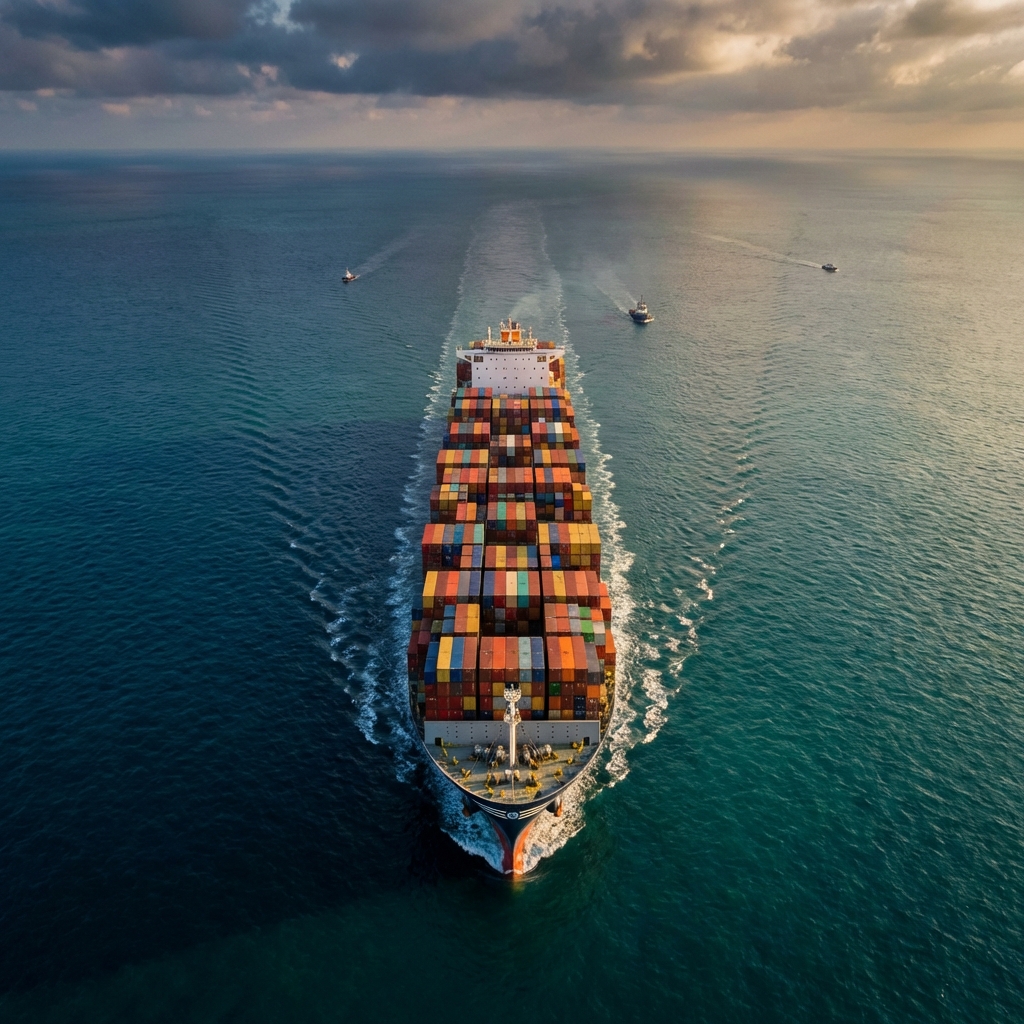
What is Sea Freight? A Complete Guide for Indian Importers & E-commerce Sellers
What is Sea Freight?
Sea freight (also referred to as ocean freight) is the method of transporting goods internationally via large cargo vessels. It remains the backbone of global trade, accounting for over 80% of the world's international shipments by volume.
For Indian importers and e-commerce sellers, especially those sourcing from China, Vietnam, or Southeast Asia, sea freight is the most cost-efficient and scalable option.
Container Types
Full Container Load (FCL): The entire container is reserved for your goods, regardless of whether it is fully utilized. FCL is best suited for bulk orders, fragile items, or shipments requiring added security and less handling.
Less than Container Load (LCL): Your cargo shares space in a container with shipments from other businesses. It's ideal for smaller volumes, early-stage inventory testing, or startups managing tight budgets.
Why Sea Freight Over Air? Air freight is faster, but it comes at a significantly higher per-kilogram cost. Sea freight offers better economies of scale, particularly for Indian e-commerce brands managing large and repeat shipments.
How the Sea Freight Process Works
Step 1: Coordination with Your Supplier
The process begins at the factory. Once your order is ready, the supplier must notify you (or your freight forwarder) with a confirmed cargo-ready date.
Step 2: Booking a Freight Forwarder or Shipping Line
A freight forwarder handles:
- Carrier selection and rate negotiation
- Port operations and export documentation
- Consolidation for LCL shipments
- Coordination with customs agents in both countries
Step 3: Packing and Container Stuffing
Goods are moved to:
- A factory location (common for FCL)
- A consolidation warehouse (for LCL shipments)
Export-grade packing, pallets, and moisture-resistant wrapping are strongly recommended.
Step 4: Export Customs Clearance in China
Key steps:
- Filing the export declaration
- Submitting the commercial invoice, packing list, and contract
- Getting container approval and sealing
Step 5: Ocean Transit
Typical transit times:
- Shanghai → Nhava Sheva: 20–25 days
- Shenzhen → Mundra: 15–20 days
- Guangzhou → Chennai: 18–28 days
Containers are tracked using a Bill of Lading (BL) number.
Step 6: Arrival at Indian Port
Container is unloaded and transferred to a Container Freight Station (CFS) or Inland Container Depot (ICD).
Step 7: Indian Customs Clearance
Indian customs authorities will:
- Inspect your documents
- Validate your HS code classification
- Check for undervaluation or restricted items
- Calculate applicable duties and taxes
Step 8: Inland Transport to Your Final Destination
Delivery to:
- Your company's warehouse
- A third-party logistics (3PL) center
- Amazon FBA or Flipkart fulfillment center
Documents Required for Sea Freight to India
1. Commercial Invoice
Shows description of goods, quantity, unit price, total value, and terms of trade.
2. Packing List
Details number of boxes, weight, dimensions, and description of each package.
3. Bill of Lading (BL)
Legal document confirming cargo has been received and is in transit. Serves as title of ownership.
4. Importer Exporter Code (IEC)
Mandatory for any individual or company wishing to import goods into India.
5. Insurance Certificate
Provides financial protection for damage, loss, theft, or water exposure.
6. Payment Proof or Letter of Credit
Bank transfer receipt, Letter of Credit, or Bank Release Letter.
Understanding Sea Freight Costs
Cost Components
1. Freight Charges Base ocean freight cost based on container size, volume/weight, origin/destination, and seasonality.
2. Terminal Handling Charges (THC) Fees for handling containers at origin and destination ports.
3. Port Charges Container storage, crane charges, customs scanning and inspection fees.
4. Duties and Taxes Based on declared value, HS Code, Basic Customs Duty (BCD), IGST, and surcharges.
5. Inland Transport Truck or rail transport from port to final destination.
6. Documentation and Clearance Fees Payments to CHAs, shipping line documentation, and government charges.
Cost Estimates
LCL Shipment (5 CBM from Guangzhou to Mumbai): Freight + handling + customs + duties + delivery = Variable based on product category
FCL Shipment:
- 20-foot container: ₹1.2 – ₹1.5 lakh (excluding duty)
- 40-foot container: ₹1.8 – ₹2.2 lakh
FCL becomes cost-efficient when shipment exceeds 15–18 CBM.
Why Choose Sea Freight?
Cost-Efficient for Bulk Cargo
Cost per kilogram is significantly lower than air or courier services.
Ideal for Heavy and Bulky Goods
Accommodates home appliances, industrial machinery, furniture, and electronics.
Highly Scalable
Easily scale from LCL to FCL as your business grows.
Environmentally Sustainable
Lower carbon emissions compared to air freight.
How to Choose the Right Sea Freight Partner
Key factors:
- Experience: Years in business, similar shipments handled
- Services Offered: End-to-end support (booking, paperwork, clearance, delivery)
- Communication: Real-time updates throughout the process
- Customs Expertise: Work with reliable clearance agents
- Client Reviews: Check success stories and testimonials
How TransAsia Supports Your Sea Freight Needs
- End-to-end Sea Freight Solutions
- Customs Clearance Expertise
- Amazon/Flipkart Warehouse Delivery
- LCL and FCL Consolidation Services
- Affordable, Transparent Pricing
FAQs
What are the risks in sea freight? Delays, cargo damage, hidden charges, and documentation errors.
How to minimize risks? Use experienced freight forwarders, opt for marine insurance, invest in professional packaging, hire dependable customs broker.
Major seaports in India:
- JNPT (Nhava Sheva), Mumbai
- Mundra Port, Gujarat
- Chennai Port
- Kolkata Port
- Cochin Port
Tips to reduce sea freight cost & time:
- Prefer consolidated shipments
- Avoid peak season
- Get multiple quotes
- Work with a proactive CHA
Sea Freight vs Air Freight:
Choose Sea Freight if:
- Shipment is bulky or heavy
- You're not in a hurry
- Cost is your primary concern
- You have steady inventory flow
Choose Air Freight if:
- Launching new product urgently
- Goods are lightweight or high-value
- Managing flash sales or seasonal spikes